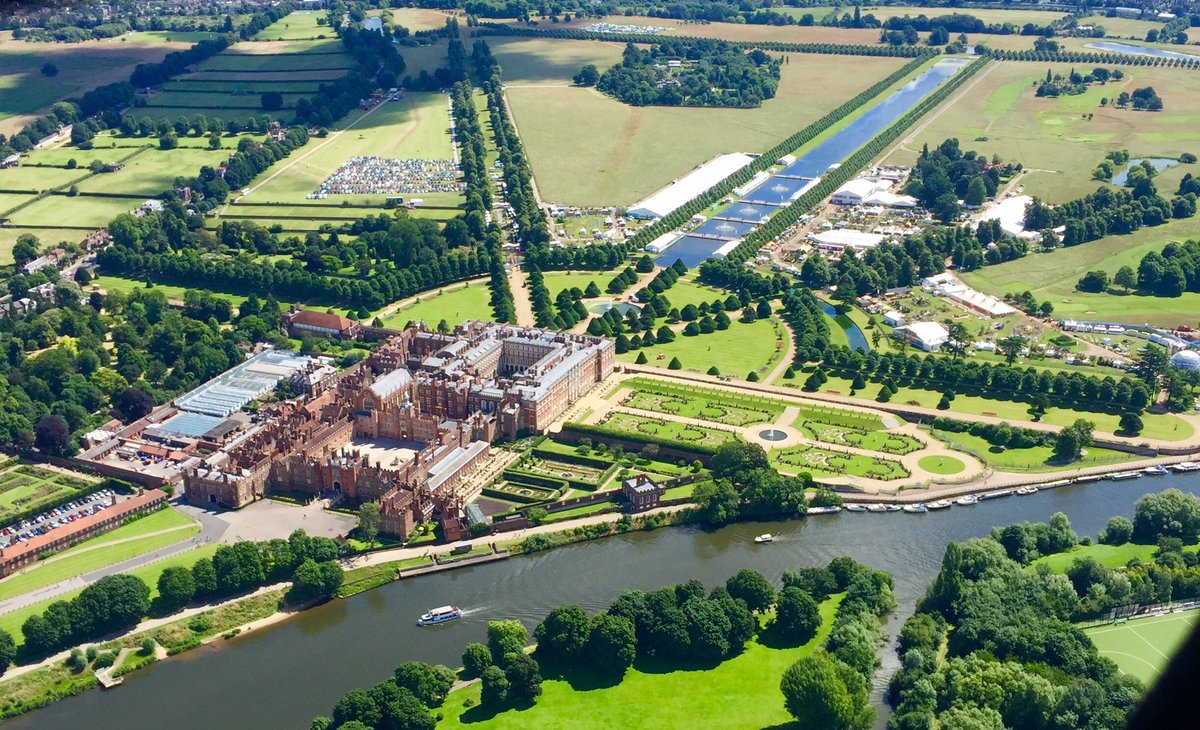
Most event risk work focuses on what happens inside the perimeter – crowds, stages, protective measures. But a great deal of what shapes an event sits beyond the fence-line: highways works, access routes, utilities, neighbouring activity and the wider operating environment. That information is held across many statutory bodies and asset owners, and is often gathered late, informally, or not at all.
The Event Framing Pack (EFP) closes that gap. It is a structured, time-bound pre-event risk assessment that brings together authoritative third-party data about an event site and its surroundings, presented in an operationally meaningful format – so foreseeable external factors are identified and considered early, and recorded in one clear, auditable place.
“What should we reasonably have known about this site and its surroundings at the time planning decisions were made?”
Inspired by due-diligence models long established in property, infrastructure and environmental planning, the EFP gives you a documented baseline of considered planning – strengthening event due diligence and the quality of every later conversation, from SAG submission to insurance.
An EFP is designed to:
The EFP frames the external context across nine domains:
| Domain | Examples |
| Highways & traffic | Planned roadworks, closures, diversions, temporary traffic orders |
| Public rights of way | Footpaths, bridleways, permissive access |
| Utilities & services | Underground High Voltage, gas, water, overhead lines |
| Title & rights | Easements, wayleaves, rights of way, restrictive covenants, byelaws |
| Environmental constraints | Flood zones, surface-water risk, historical incidents, archaeology |
| Planning & land use | Conflicting land permissions, neighbouring developments |
| Neighbour impacts | Construction sites, noisy operations, protests, CNI, stakeholder mapping |
| Emergency access | Blue-light routes, pinch points, road adoption |
| Statutory restrictions | Conservation areas, protected trees, SSSIs, civil contingencies |
The EFP is a pre-event planning tool, best commissioned during early-to-mid-stage event development and refreshed if conditions materially change. It supports:
Take a three-day outdoor event on semi-urban land with 8,000 daily attendees. Commissioning an event framing pack early surfaces: planned highway works affecting build access; a public footpath crossing the site; underground HV and water assets beneath proposed staging; flood-prone areas affecting welfare placement; nearby construction and a scheduled demonstration; and emergency access routes with road-adoption constraints.
The result: layouts are revised early, access and emergency routes are agreed in advance, mitigation is built into the traffic, weather and security plans, and SAG engagement is informed and focused. Without the EFP, several of these would likely have surfaced late – or reactively when a contractor highlighted it, or worse mid-build.
The Event Framing Pack is:
It focuses on identifying and contextualising information – not on certifying safety, security or compliance. It is a complement to, not a replacement for, site inspections, surveys, statutory approvals and professional judgement. Its value lies in improving awareness, supporting proportionate decisions, and strengthening the evidential basis on which those decisions are made.
To find out whether an Event Framing Pack would support your event, or to discuss what one would cover, get in touch with the team. Contact us
